Digital Product
AI Agents, Workflow Automation, and Intelligent Reporting for Business
- Published
- Reading Time
- 5 min
- Topics
- Digital Product
Many operations, HR, and IT teams still spend much of their time on repetitive work like moving data, chasing approvals, and compiling reports by hand. AI agents and workflow automation offer a new way to handle this kind of work.
This article explains what AI agents, workflow automation, and intelligent reporting are, where they help most, how to get started, and the risks you need to manage.
What are AI agents, workflow automation, and intelligent reporting?
These three terms often appear together, but each plays a different role. Understanding the difference helps you choose the right approach for the problem in front of you.
- AI agents are AI-based systems that can understand a request, pull information from approved sources, and then carry out a series of steps to complete a task. Unlike a basic chatbot that only answers questions, an AI agent can, for example, read documents, fill in forms, or prepare a draft for approval.
- Workflow automation means organizing work so that repetitive steps run automatically according to agreed rules, from submission and verification to notifying the right people.
- Intelligent reporting is reporting that pulls data directly from company systems, summarizes it, and presents it in an easy-to-understand form, including answering questions asked in everyday language.
In practice, the three complement each other. Workflow automation provides the structure, AI agents handle the parts that require understanding language and context, and intelligent reporting helps leaders see the results.
Where this technology helps most
AI agents and automation are most useful for work that is high in volume, follows a clear pattern, and is still largely done by hand today. Here are some common areas in large enterprises.
Repetitive operational tasks
Moving data from email into a system, matching documents, or checking that files are complete are time-consuming tasks that rarely require deep judgment. Automation can take over these routine parts so your team can focus on the cases that genuinely need a human decision.
Document and approval workflows
Leave requests, procurement, expense claims, and contracts often get stuck because documents are incomplete or change hands without a clear trail. An automated workflow can route documents to the right approver, send deadline reminders, and record every step. An AI agent can help summarize a document before it is approved.
Internal assistants
Employees often spend time hunting for policies, procedures, or product information across many folders. An AI-based internal assistant can answer these questions by referring to the company's official documents, so HR, IT, and operations teams don't have to answer the same questions over and over.
Reporting from your own company data
Weekly or monthly reports are often compiled by hand from several spreadsheets. With intelligent reporting, data can be pulled directly from the ERP, CRM, or other systems you already use through API integration. Leaders can then ask questions like "which branch has the most pending requests this month?" without waiting for the analyst team.
Recruitment
HR teams handle many candidates in limited time. AI can help with the initial screening stage, for example by summarizing profiles or flagging items that need a closer look. The principle stays the same: AI helps screen, while the final decision rests with the HR team.
How to start with measured steps
Many AI initiatives stall at the pilot stage because their scope is too broad from the outset. A phased approach is usually more realistic.
- Pick one process. Start with a process that has a clear problem, happens often, and is easy to measure. Examples include a procurement approval flow or compiling a weekly operations report.
- Clean up your data first. AI is only as good as the data it uses. Make sure data sources are clear, formats are consistent, and access rights are defined. This work often delivers value on its own.
- Keep people in the process. Define the points where employees review, correct, or approve the AI's work. This human in the loop approach protects quality and builds user trust.
- Measure the results. Set indicators before you begin, such as turnaround time, number of errors, or internal user satisfaction. Compare before and after, then decide whether the solution is worth extending to other processes.
Risks to manage
The benefits of AI only materialize when its risks are managed from the start. Three areas deserve particular attention from operations, HR, and IT leaders.
Data privacy
AI agents often touch employee, customer, or candidate data. Make sure you know where data is processed and stored, who can access it, and how this aligns with the personal data protection regulations that apply in Indonesia. Limit the AI's access to only the data it actually needs for its task.
Accuracy
AI can produce answers that sound convincing but are wrong. That is why outputs that affect important decisions, such as budget approvals or candidate assessments, must still be reviewed by a person. Ask the AI to include references to source documents so its output is easy to verify.
Governance
Decide who owns each agent or workflow, which rules it may and may not carry out, and how its activity is logged. Clear governance makes audits easier, prevents use beyond what is needed, and keeps future changes under control.
How Digital Center helps
Digital Center Indonesia has five Digital Centers in Jakarta, Surabaya, Bandung, Batam and Bali. We offer three solutions: Digital Product, Digital Transformation, and Digital Talent.
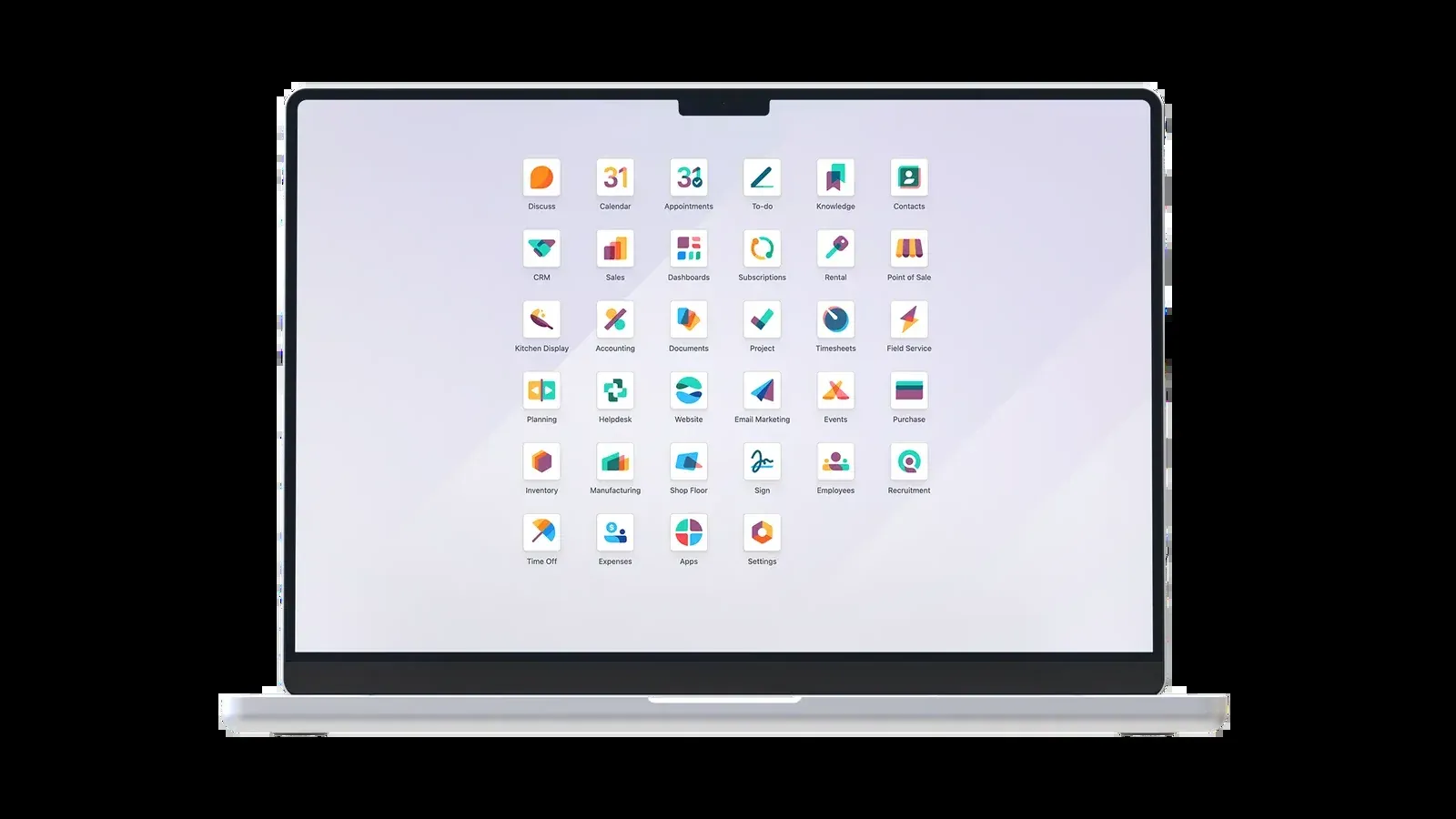
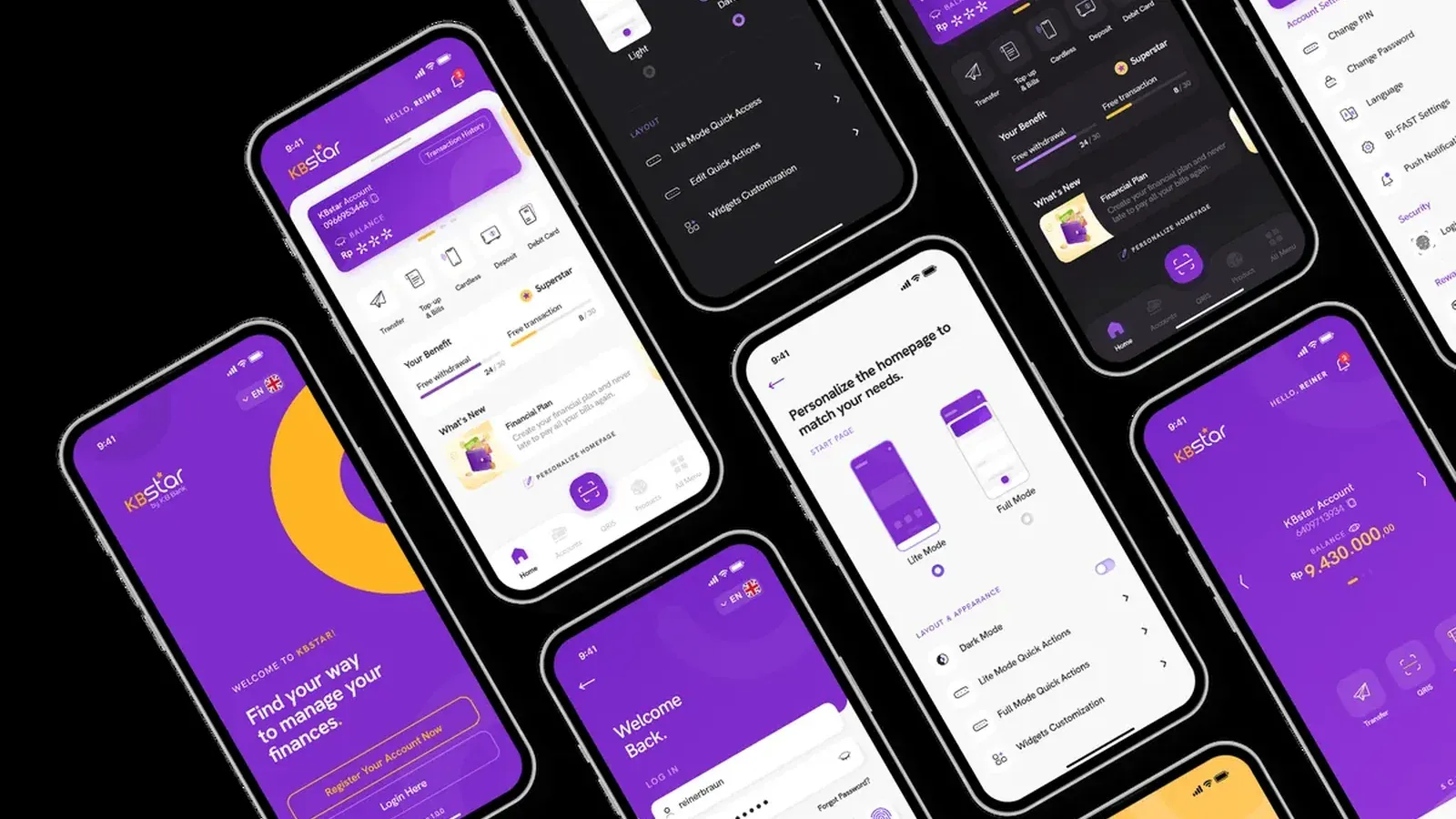
Through our Digital Product solution, we provide ready-to-use AI products and also build AI assistants and agents, workflow automation, and intelligent reporting on top of your company's own data. Where needed, these can connect to the systems you already run through API integration, which is also part of our Digital Transformation solution, including Odoo ERP/CRM.
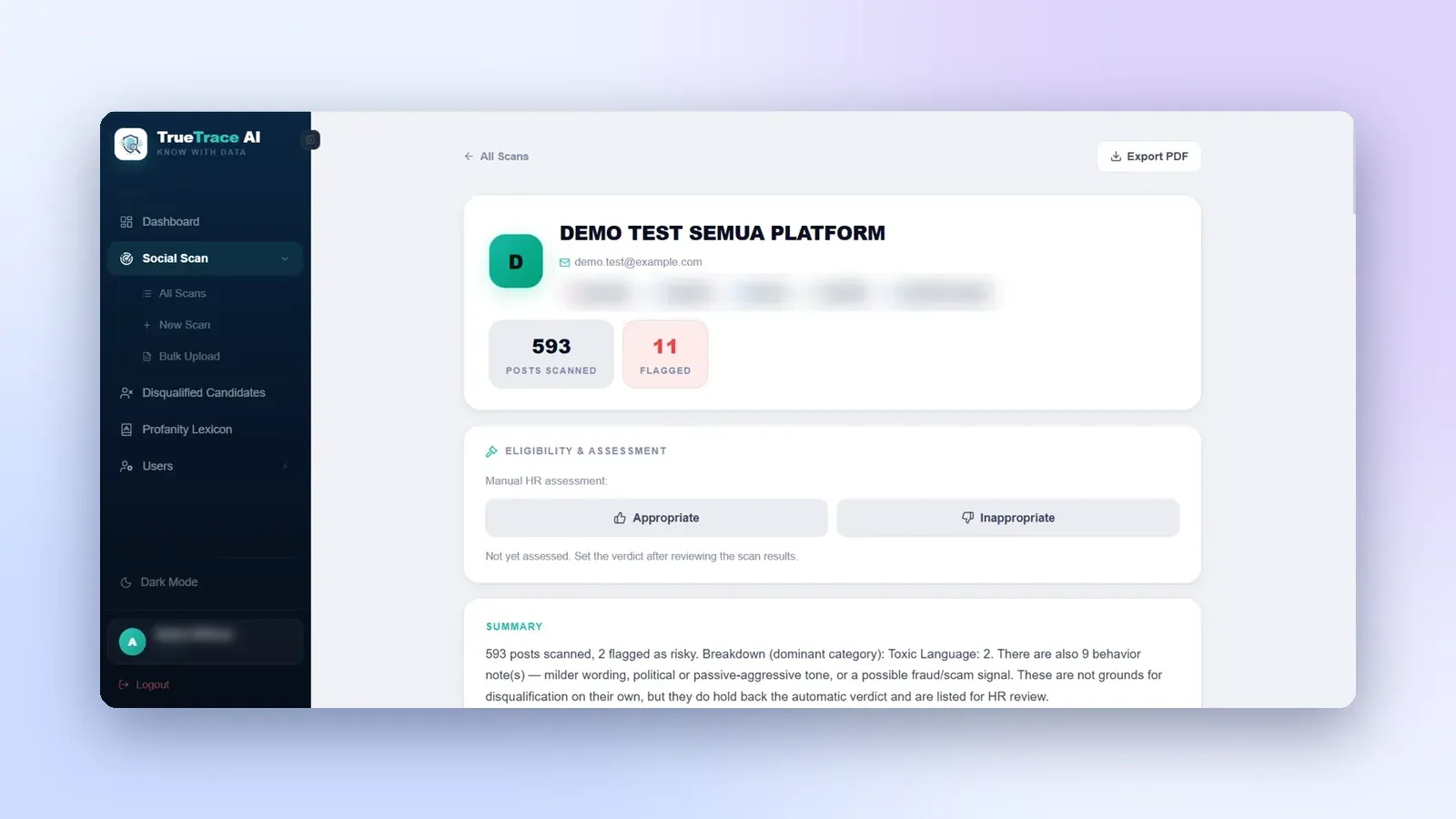
Our ready-to-use AI product is TrueTrace AI. It supports recruitment by scanning candidates' public written posts on LinkedIn, Facebook, X, Instagram, and TikTok and flagging profanity, SARA (ethnic, religious, racial, and inter-group) content, political issues, and passive-aggressive behavior. The final Appropriate or Inappropriate decision stays with the HR team. TrueTrace AI is used by BCA. Through Digital Transformation we also implement Neufast, an AI video interview platform.
The Digital Product solution is available by subscription, licence, or implementation. In every implementation, we follow the same principles: as standard as possible, delivered as fast as possible, and affordable.
If you are weighing which process makes the most sense to start with, we would be glad to talk it through. Reach our team at marketing@digitalcenter.id.